
Instagram grid reordering is here - what's new
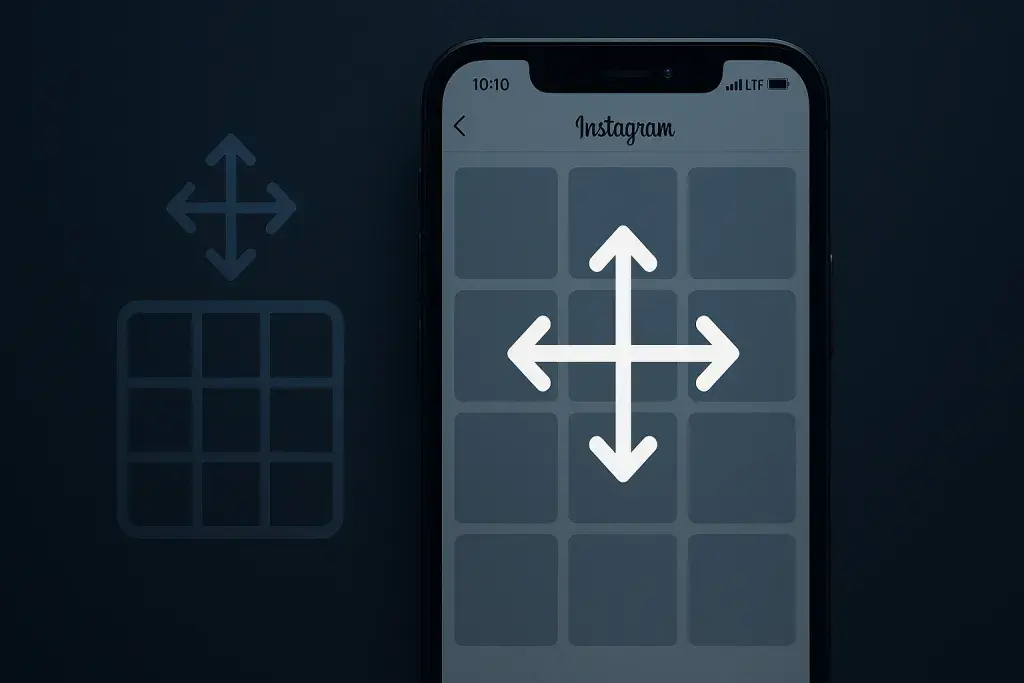
Authored by findgamesonline.com, 03-06-2026
Nine years after launch, Instagram finally let users touch the one thing that had always been frozen in place: the order of posts on a profile grid. For nearly a decade, moving a photo meant deleting it and reposting it from scratch, sacrificing likes, comments, and view counts in the process. That constraint shaped how millions of people planned their content, sometimes for years in advance, just to keep a grid looking coherent. Instagram grid reordering changes that calculation entirely.
This update didn't appear out of nowhere. It reflects a longer pattern of Instagram treating the grid less like a chronological feed and more like a curated portfolio. Creators who spend serious time on visual consistency, seasonal themes, or campaign-based layouts now have a native way to fix an awkward gap or shift a post without erasing its engagement history. For anyone building an account from the ground up or repositioning an existing one, understanding how a feature like this interacts with growth tactics matters as much as the tool itself. That's part of why marketers researching audience-building strategies often compare services before deciding how to pair organic content curation with paid growth support, and some even give me boost instagram reviews a look before settling on an approach. Whether you run a personal account or manage several brand profiles, this feature touches nearly every part of your content planning.
Below, this piece breaks down what instagram grid reordering actually means, how it works in practice, what has changed with this 2026 rollout, and what it means going forward for anyone who cares about how their profile looks to visitors.
What Is Instagram Grid Reordering? A Clear Explanation
Instagram grid reordering refers to the ability to change the visual position of posts on a profile without deleting, archiving, or reposting them. Previously, if a user wanted to move a photo from the middle of their grid to the top row, the only option was to remove the original post and upload it again as new content. That process reset the timestamp, wiped out accumulated likes and comments, and often confused followers who saw the same image reappear in their feed.
With reordering, none of that sacrifice is necessary. A post can be dragged into a new position, and its engagement data, comments, and original publish date remain attached to it. The visual arrangement changes; the underlying content history does not. This is worth stating clearly because a lot of confusion has stemmed from earlier features that seemed similar but worked differently.
- Move any eligible post to a new grid position without reposting it
- Preserve existing likes, comments, and save counts during the move
- Rearrange content by color, theme, or subject rather than by upload date
- Correct posting mistakes, such as an out-of-sequence photo, after the fact
How Grid Reordering Differs From Pinning Posts
Instagram previously allowed users to pin up to three posts to the top of their grid. Pinning locks specific posts into fixed top-row positions but does nothing for the rest of the grid, which still displays in strict chronological order beneath the pinned items. Grid reordering is a broader mechanism: it lets a user rearrange the entire visual sequence, not just designate a few favorites for the top row. Pinning is selective and limited; reordering is comprehensive and flexible.
Why Instagram Introduced This Feature Now
User demand for this kind of control has existed for years, voiced constantly by creators who build their grids around a specific aesthetic. Competing platforms had already given users more layout freedom in other ways, whether through customizable boards or profile arrangements, and that comparison put pressure on Instagram to close the gap. The company has also been leaning into creator-focused tools generally, and grid reordering fits that broader direction: giving people more control over how their profile represents them without requiring them to sacrifice content history to get it.
Instagram Grid Reordering News: Timeline of the Rollout
Coverage of this feature built gradually rather than arriving as a single announcement. Early signals appeared through limited testing with a small group of accounts, followed by wider availability as feedback came in and technical issues were addressed. Instagram grid reordering news over the past couple of years has tracked a familiar pattern for platform updates: quiet beta testing, incremental expansion, and eventual public release.
| Development Stage | Description | Typical Availability |
|---|---|---|
| Internal testing | Feature built and tested within Instagram's own development environment | Not visible to the public |
| Limited beta | Small group of accounts given early access to test functionality and report bugs | Select creators and business accounts |
| Expanded rollout | Wider group of users granted access as stability improves | Broader but not universal availability |
| Public release | Feature made available to the general user base | Most account types, depending on app version |
Following this kind of staged approach is typical for Instagram, which has used similar testing patterns for other profile-level tools in the past, including scheduling options and collaborative post features. The gradual expansion also gives the platform room to work out inconsistencies between iOS, Android, and web versions before locking in a final version for everyone.
How Instagram Grid Reordering Works: Step-by-Step
Using the feature is straightforward once it appears on an account, though the exact menu labels can shift slightly between app versions. The general process follows a consistent logic across most implementations.
- Open your profile and locate the grid editing option, usually found near the profile edit menu or directly above the grid itself
- Select the option to edit or rearrange the grid layout
- Tap and hold a post to activate drag mode
- Drag the post to its new position within the grid
- Release to drop the post into place
- Save the changes to apply the new arrangement publicly
The interaction feels similar to reorganizing icons on a phone's home screen: press, hold, drag, release. That familiarity is likely intentional, since it reduces the learning curve for a feature that could otherwise feel technical.
Limitations and Known Bugs
Not every piece of content on a profile can currently be reordered the same way. Reels often behave differently from static photo posts, since they live in a separate section of the profile in many layouts, and some collaborative or tagged posts may not support repositioning at all. Users have also reported temporary syncing delays, where a new arrangement appears correctly on one device but takes time to reflect on another, or where a follower's cached version of the profile briefly shows the old order.
None of these issues are unusual for a feature at this stage. They reflect the ordinary friction of rolling out a change that touches a core, heavily used part of the platform. Still, anyone relying on a precise layout for a launch or campaign should build in a buffer before assuming a reorder has fully propagated across all viewers.
Instagram Grid Reordering 2026: What's Different From Earlier Versions
The version available now is noticeably more capable than the early tests that circulated in previous years. Earlier prototypes reportedly allowed only limited repositioning, such as moving a single post a few spots in either direction, rather than full drag-and-drop freedom across the entire grid. Instagram grid reordering 2026 removes much of that friction, giving users broader control over sequencing rather than narrow, incremental adjustments.
| Feature Aspect | Earlier Testing Phase | 2026 Update |
|---|---|---|
| Range of movement | Limited to small position shifts | Full drag-and-drop repositioning across the grid |
| Content types supported | Primarily static photo posts | Broader support, with some content types still excluded |
| Access | Restricted to small test groups | Wider rollout across account types |
| Interface | Basic, unpolished editing menu | Refined, home-screen-style drag interaction |
This kind of expansion is common as a feature matures. Early testers typically absorb the roughest version of a tool, and feedback from that stage shapes the more refined release that eventually reaches everyone else. The 2026 update reflects several rounds of that kind of adjustment.
How Grid Reordering Impacts Content Strategy
Beyond the mechanics, this feature changes how people can reasonably plan their content. Previously, maintaining a cohesive grid meant thinking several posts ahead, since a misplaced photo was expensive to fix. Now, mistakes are far easier to correct, and creators can experiment with sequencing after the fact rather than getting everything right on the first attempt.
- Reorganize a grid around a seasonal campaign without deleting older content
- Group posts by color palette or subject matter for a stronger visual flow
- Move underperforming or oddly placed posts without losing their engagement
- Adjust layout after a collaboration or partnership without disrupting the surrounding sequence
The old workaround of deleting and reposting always carried a cost: lost comments, lost save counts, and confused followers seeing familiar content resurface. The new method removes that trade-off almost entirely. A brand preparing for a product launch, for instance, can now shuffle recent posts to place the announcement prominently at the top of the grid without erasing the conversation that already happened underneath the original post. An influencer working across multiple brand partnerships can likewise cluster related content together after the fact, rather than hoping the original posting order happened to work out.
Common Mistakes and Risks to Avoid
Having more control over layout doesn't mean every adjustment improves the profile. A few habits are worth watching for as this feature becomes part of regular use.
- Reordering too frequently, which can make a profile feel inconsistent to repeat visitors
- Overlooking how Reels and tagged posts interact with the rest of the grid after a reorder
- Disrupting a story-like sequence that followers had grown used to following in order
- Assuming changes appear instantly for every visitor, when syncing delays can briefly show an outdated layout
The irreversible part to be careful about isn't the reordering itself, since positions can generally be adjusted again later, but the impression it leaves on visitors who check a profile mid-change. A grid that looks unfinished or inconsistent during a transition period can affect how a new visitor perceives the account, even temporarily.
What's Next: Predictions for Future Instagram Grid Features
Grid reordering is unlikely to be the last change Instagram makes to how profiles are organized and displayed. Once a platform gives users this much control over layout, the natural next questions involve deeper customization: folder-style groupings, automated layout suggestions based on color or theme, or tighter integration between Reels and static posts within the same grid view.
- Custom folders or sections within a single profile grid
- Layout suggestions generated automatically based on visual patterns
- Better integration between Reels placement and static post sequencing
- Expanded reordering support for tagged and collaborative content
None of these are confirmed, but they follow a logical path from where the platform currently stands. Whatever comes next, this update marks a genuine shift in how much control creators have over their own profile, and it's a change worth understanding well before building a content plan around it.
Questions and Answers
Does reordering my grid affect my post's likes, comments, or original publish date?
No. Reordering only changes the visual position of a post on the grid. The like count, comment history, save count, and original publish date all stay attached to the post exactly as they were before the move.
Can I reorder Reels and tagged posts the same way as regular photos?
Not always. Reels often sit in a separate section of the profile and may have different support for reordering than static photo posts. Tagged or collaborative posts can also have restrictions, depending on how the content was originally shared.
Is Instagram grid reordering available to all users in 2026, or only certain accounts?
Availability has expanded significantly compared to earlier testing phases, but rollout can still vary by app version, account type, and region. If the option isn't visible yet, updating the app is the first thing worth checking.
Will reordering my grid affect how the Instagram algorithm ranks my content?
Reordering is a display feature that changes how content appears on your profile. It does not directly alter how the algorithm distributes that content in feeds, explore pages, or search results.
How is grid reordering different from simply archiving and reposting content?
Archiving and reposting removes a post from public view and creates a new one, resetting engagement and publish date. Grid reordering keeps the original post fully intact, including its history, and only changes its position on the grid.
Can I undo a grid reorder if I don't like the new layout?
Yes, positions can be adjusted again the same way they were changed initially, by dragging posts back to a preferred arrangement. There is no separate undo button, so any correction is done manually through the same reordering process.